

Some photographs capture culture.
Others create it.
Long before digital cameras and social media, a single image had to travel through magazines, newspapers, and prints to reach the public. It had to resonate deeply enough to be remembered—and repeated—until it became part of collective memory.
The images in History on Film weren’t just well-timed. They were defining. They shaped how entire generations understood identity, fame, and meaning.
This collection explores the photographs that didn’t just document culture—they helped build it.
What Makes a Photograph Iconic?
Not every widely circulated image becomes iconic. The photographs in this archive share a few defining characteristics:
Immediate Impact
They communicate something instantly—emotion, tension, identity—without explanation.
Cultural Timing
They appear at the exact moment society is ready to absorb them.
Repetition
They were printed, shared, and seen again and again—long before the internet made distribution effortless.
Myth Creation
Over time, the story evolves. The image becomes larger than the moment it was captured.

When a Place Becomes a Symbol
One of the most powerful effects of iconic photography is its ability to transform ordinary locations into cultural landmarks.
A crosswalk in London becomes a global destination through the Abbey Road Cover Photograph.
A busy New York intersection becomes the stage for both celebration and reflection in V-J Day in Times Square.
These places still exist—but they no longer mean what they once did. The image rewrote them.

Fame, Performance, and the Camera
Not all iconic images are discovered. Some are designed.
The line between authenticity and performance is often blurred:
- The carefully orchestrated spontaneity of Marilyn Monroe Subway Grate
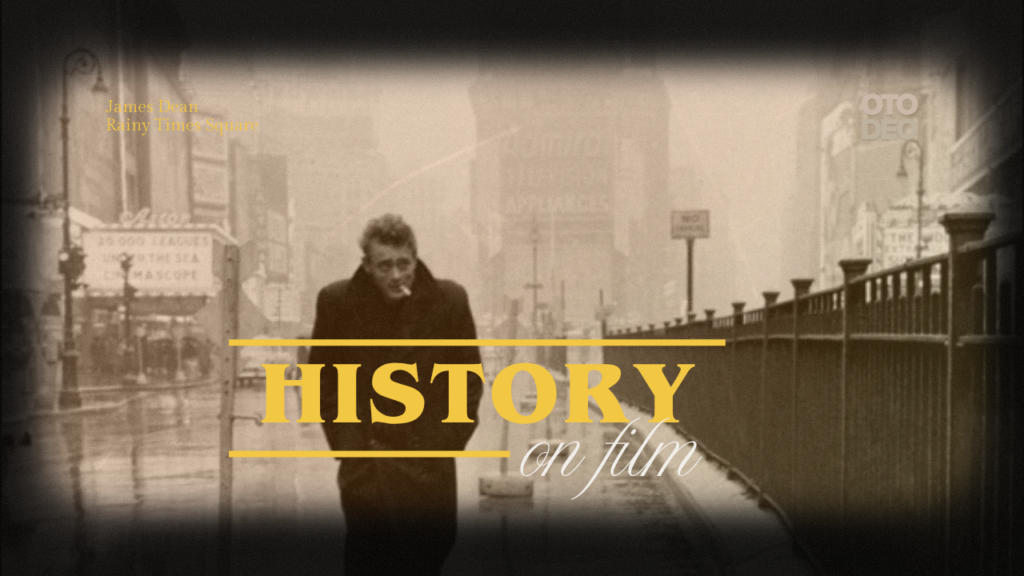
- The quiet construction of identity in James Dean Times Square Photograph
These images feel natural—but they are shaped by intent, timing, and awareness of the camera.
The Moment That Defines Identity
Sometimes a single frame does more than capture an event—it defines a persona.
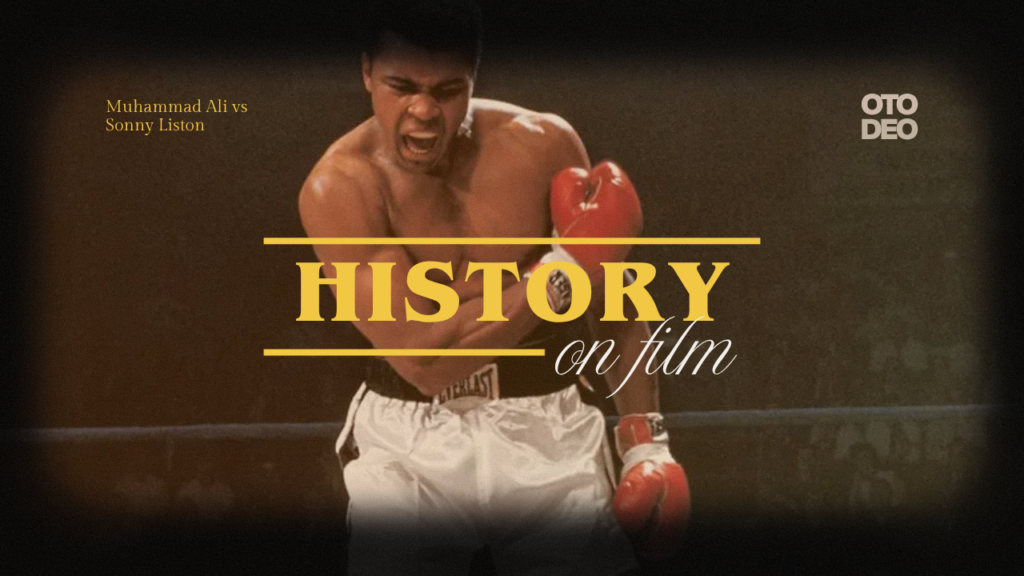
That’s what happens in the Muhammad Ali vs Sonny Liston Photograph.
It’s not just a victory.
It’s dominance, confidence, and identity distilled into a single image.
These are the photographs that move beyond documentation and become symbols.
Why These Images Still Matter
Today, we create and share billions of images every day.
But very few endure.
The photographs in this collection were created under constraints:
- Limited exposures
- No instant review
- Editorial gatekeeping
Every frame mattered.
That scarcity forced intention—and intention is what gives these images their lasting power.
Start Here: Defining Images in the Collection
If you’re new to History on Film, these five photographs are the foundation of this archive:
- V-J Day in Times Square — a moment of celebration that still sparks debate
- Abbey Road Cover Photograph — a street transformed into a global landmark
- Marilyn Monroe Subway Grate — the construction of modern celebrity
- James Dean Times Square Photograph — the visual definition of “cool.”
- Muhammad Ali vs Sonny Liston Photograph — power captured at its peak
Each of these images represents a different way a photograph can shape culture—through place, performance, identity, or emotion.
This Collection Is Growing
This is an evolving archive.
New photographs will continue to be added—expanding across culture, conflict, politics, and human experience.
Each entry builds on the last, creating a connected exploration of how images shape the way we understand history.
A Final Note on “History on Film”
Every image in this series was captured before the digital era—when photography required patience, precision, and commitment.
There were no instant previews. No second chances.
Just a moment—and the decision to capture it.
These aren’t just photographs.
They are artifacts from a time when images had to earn their place in history.